Beginning with Samsung Note7, this device emerged as a flagship smartphone that captivated tech enthusiasts with its cutting-edge features and sleek design. Launched with an impressive array of specifications, the Note7 promised to deliver an unparalleled user experience through its vibrant display and robust performance.
However, beneath its appealing exterior lay significant controversy, notably the battery issues that led to one of the most infamous recalls in smartphone history. This tumultuous journey not only affected Samsung’s reputation but also shaped the future of mobile technology, leaving a lasting legacy.
Overview of Samsung Note7
The Samsung Galaxy Note7, launched in August 2016, was a flagship device that aimed to blend premium features with cutting-edge technology. This smartphone was designed for those who desired a device that could perform a multitude of tasks while providing an exceptional user experience. With its combination of powerful specifications, sleek design, and innovative features, the Note7 quickly garnered attention in the competitive smartphone market.
The Note7 was equipped with a 5.7-inch Super AMOLED display, offering stunning visuals and vibrant colors. Its Quad HD resolution of 1440 x 2560 pixels ensured clarity and sharpness, making it ideal for media consumption and productivity tasks. The device was powered by either the Exynos 8890 or Snapdragon 820 processor, depending on the region, paired with 4GB of RAM and 64GB of internal storage, expandable via microSD. The integration of a 12MP rear camera with dual-pixel technology allowed for rapid focusing and exceptional low-light performance, while the 5MP front camera catered to selfie enthusiasts.
Design Elements and User Interface
The design of the Samsung Note7 was a significant highlight, showcasing a sophisticated and elegant aesthetic. The device featured a glass front and back, with a metal frame that enhanced its premium feel. The curved edges of the display not only contributed to its striking appearance but also provided a smooth user experience when navigating through applications.
The user interface of the Note7 was built on Samsung’s TouchWiz, optimized for the device’s hardware. It incorporated features such as multi-window support, allowing users to run two apps simultaneously, which greatly improved multitasking capabilities. The device also included the S Pen, a stylus that provided precise input, enabling users to take notes, create illustrations, and interact with the device in unique ways.
Display and Battery Technology
The display technology used in the Samsung Note7 was one of its most remarkable features. The Super AMOLED technology provided vibrant colors, deep blacks, and excellent viewing angles. This made content consumption, from gaming to streaming, a visually stunning experience. Additionally, the Always On Display feature allowed users to glance at notifications and time without waking the device.
In terms of battery technology, the Note7 was equipped with a 3500mAh battery, supporting fast charging through both wired and wireless methods. The battery life was optimized for a full day of usage, catering to heavy users who relied on their devices for various tasks throughout the day. However, the Note7 faced scrutiny due to battery safety concerns, leading to a worldwide recall.
“Samsung’s innovative display and battery technology set new standards in the smartphone industry, making the Note7 a device to remember.”
Controversies and Issues
The Samsung Galaxy Note7, once heralded as a pinnacle of smartphone technology, became embroiled in significant controversies that tarnished the brand’s reputation. These issues primarily revolved around battery malfunctions that led to dangerous incidents, culminating in a massive recall. Understanding the timeline and repercussions of these events is crucial to grasping the impact on Samsung’s brand image.
The battery problems that plagued the Note7 were a direct result of design and manufacturing flaws. These defects caused some devices to overheat, leading to fires and explosions. Samsung responded by initiating a recall of the initial batch of devices, but the replacement units were soon found to have similar issues, exacerbating the crisis.
Timeline of Events Surrounding the Note7’s Recall
The sequence of events leading to the Note7’s downfall is critical for understanding the scale of the controversy. Below is a timeline detailing key milestones in this saga:
- August 2, 2016: Samsung officially launches the Galaxy Note7, receiving positive reviews for its features and design.
- September 2, 2016: Samsung announces a global recall of 2.5 million Note7 devices after reports of battery explosions surface.
- September 15, 2016: The U.S. Consumer Product Safety Commission issues a formal recall notice, urging customers to stop using the device.
- October 11, 2016: Samsung begins issuing replacements for the recalled devices, which are thought to be safe.
- October 30, 2016: Reports emerge that replacement devices are also catching fire, leading to renewed safety concerns.
- November 1, 2016: Samsung officially halts production of the Galaxy Note7 and announces a full, permanent recall.
- December 2016: The recall is deemed complete, with Samsung facing significant financial losses and reputational damage.
The controversies surrounding the Galaxy Note7 had a profound impact on Samsung’s brand reputation. Prior to the incident, Samsung was celebrated for its innovation and quality in the smartphone market. However, the battery issues not only triggered a financial backlash, costing the company billions, but they also led to a loss of consumer trust. In the aftermath, Samsung was forced to reevaluate its quality control processes and public relations strategies to restore its image.
“The Galaxy Note7 incident serves as a cautionary tale in the technology industry, underscoring the importance of thorough testing and consumer safety.”
Comparisons with Other Devices

The Samsung Note7, released in 2016, drew significant attention not only for its high-end features but also in comparison to its predecessor, the Galaxy Note6, and other flagship smartphones launched in the same year. Its advancements and unique offerings ignited discussions about its standing in the competitive smartphone market.
Comparison with Galaxy Note6
The Galaxy Note6, or the Note5 as it is known in some regions, set a benchmark for the series with its elegant design and robust capabilities. However, the Samsung Note7 introduced several enhancements that distinguished it from its predecessor.
– Design and Build Quality: The Note7 maintained the premium glass and metal aesthetic but introduced a dual-edge display, offering a more immersive viewing experience.
– S Pen Features: The S Pen received a significant upgrade, with more functionalities such as water resistance and improved pressure sensitivity.
– Camera Enhancements: While the Note6 featured a commendable camera, the Note7’s dual-pixel technology provided superior focusing in low-light conditions, making photography a highlight of the device.
– Battery Life and Charging: The Note7 included a 3,500mAh battery with fast charging capabilities, enhancing user convenience, although this would later become a point of contention.
With these developments, the Note7 aimed to surpass the Note6 by combining aesthetics, functionality, and performance into a single device.
Competition with Flagship Smartphones
In 2016, the smartphone market was rife with competition, with notable opponents like the Apple iPhone 7 Plus, Google Pixel, and LG G5 all vying for consumer attention.
– Apple iPhone 7 Plus: The iPhone 7 Plus touted a powerful A10 Fusion chip and focused on camera quality, particularly with its dual-lens system, which appealed to photography enthusiasts. However, it lacked the stylus functionality that Note7 users enjoyed.
– Google Pixel: The Pixel was celebrated for its stock Android experience and exceptional camera capabilities, presenting a challenge to Samsung’s software ecosystem. Yet, the Note7’s features, such as the S Pen and expandable storage, provided a distinct advantage.
– LG G5: With a modular design, the LG G5 offered unique customization options. However, the Note7’s refined user experience and premium build quality positioned it favorably in the eyes of many consumers.
Each competitor brought unique strengths, yet the Note7’s comprehensive feature set, including enhanced productivity tools and superior display quality, solidified its reputation as a top-tier device among flagship smartphones of its era.
Consumer Preferences
The preferences of consumers in 2016 highlighted a dichotomy between brand loyalty and feature-rich offerings.
– Brand Loyalty: For many, the Samsung brand held significant weight, driven by years of positive experiences with the Galaxy series. This loyalty played a crucial role in Note7’s initial acceptance despite later controversies.
– Feature Demand: Consumers gravitated towards devices that offered more than just standard features. The S Pen, water resistance, and innovative display of the Note7 attracted users looking for enhanced functionality.
– Community and Ecosystem: Samsung’s ecosystem, including devices like the Gear VR and seamless integration with other Galaxy products, swayed potential buyers. In contrast, competitors like Apple attracted users with their cohesive ecosystem and services.
Overall, while consumer preferences varied, the Samsung Note7’s combination of innovative technology, brand reputation, and feature richness made it a compelling choice in a fiercely competitive landscape.
Legacy and Impact on Future Models
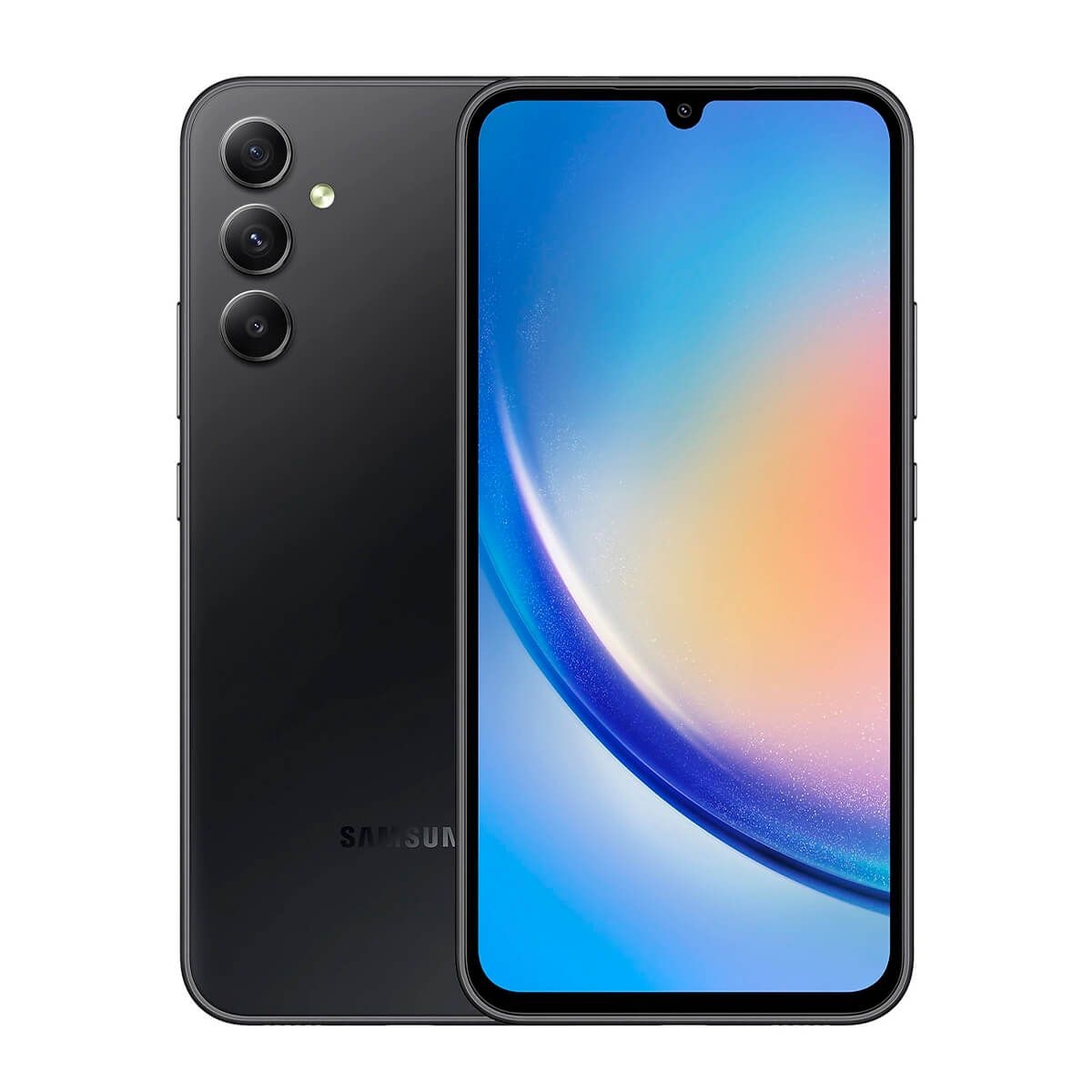
The Samsung Galaxy Note7 incident left a significant mark on the smartphone industry, prompting critical lessons for Samsung and influencing the design ethos of future devices. The series of events surrounding the Note7’s battery failures not only affected the brand’s reputation but also reshaped safety protocols and consumer expectations in the tech landscape.
As Samsung navigated the fallout from the Note7 crisis, it implemented several measures to ensure such a situation would never recur. The company established the “Samsung 8-Point Battery Safety Check,” a comprehensive evaluation process for batteries that includes rigorous testing at multiple stages of production. This initiative underscores a renewed commitment to safety and quality assurance, setting a new standard for other manufacturers to follow.
Influence on Design and Safety Features, Samsung note7
The repercussions of the Note7 incident led to a paradigm shift in how Samsung approached device design and safety measures in subsequent Galaxy models. The integration of enhanced safety features and more robust design protocols became paramount, influencing several key aspects:
- Improved Battery Design: Future Galaxy devices incorporated safer battery materials and structural designs to minimize the risk of overheating and short circuits.
- Advanced Quality Control: Samsung heightened quality control processes, ensuring that devices underwent exhaustive testing and evaluation before market release.
- Multi-layered Thermal Protection: New thermal management systems were developed to dissipate heat more effectively, thus preventing overheating during heavy usage.
- Consumer Feedback Mechanisms: Samsung established more effective channels for consumer feedback to swiftly address any emerging concerns related to device safety.
- Focus on Transparency: The company enhanced communication with consumers regarding safety features and recalls, fostering greater trust and understanding.
“Safety is not merely a feature; it is a fundamental principle in the design and development of our devices.” – Samsung Executive
The integration of these features reflected a broader industry trend towards prioritizing consumer safety and trust. As a result, Samsung’s subsequent flagship models, like the Galaxy S8 and S9, were met with improved consumer confidence, indicating a gradual recovery from the Note7 debacle.
Consumer trust has evolved significantly post-Note7. The company’s transparent approach in handling the crisis, coupled with the implementation of stricter safety measures, has contributed to a renewed faith in the Samsung brand. Recent surveys indicate that consumers are increasingly willing to purchase Samsung devices, with many acknowledging the improvements made in safety and quality control. The Note7 incident became a cautionary tale not just for Samsung, but for the entire smartphone industry, illustrating the critical importance of safety and reliability in technology.
FAQ Explained: Samsung Note7
What were the key features of the Samsung Note7?
The Samsung Note7 featured a 5.7-inch QHD display, a powerful Snapdragon 820 processor, and a dual-edge design, alongside a stylus for enhanced functionality.
When was the Samsung Note7 recalled?
The Samsung Note7 was recalled in September 2016, shortly after its launch due to battery-related issues that posed safety risks.
How did the Note7 impact Samsung’s brand?
The Note7 incident damaged Samsung’s reputation, leading to significant financial losses and a reevaluation of their product safety protocols.
What lessons did Samsung learn from the Note7?
Samsung learned the importance of rigorous safety testing and transparent communication with consumers to rebuild trust and prevent future incidents.
How does the Note7 compare to its successor, the Note8?
While the Note7 offered innovative features, the Note8 improved on safety and performance, incorporating lessons learned from the Note7’s issues.
The Samsung Galaxy F series is making waves in the budget smartphone market, offering impressive features without breaking the bank. With its sleek design and robust performance, it’s no surprise that this model appeals to a wide audience looking for quality at an affordable price. Users can enjoy a smooth experience, whether for gaming or everyday tasks, reaffirming Samsung’s commitment to innovation.
The Samsung S 10 remains a standout in the premium smartphone segment, known for its vibrant display and powerful camera capabilities. This flagship device showcases Samsung’s technological prowess, offering users a seamless experience for photography, gaming, and multitasking. Its blend of style and functionality makes it a must-have for anyone seeking an elite smartphone experience.