samsung galaxy s ii sets the stage for this enthralling narrative, offering readers a glimpse into a story that is rich in detail and brimming with originality from the outset.
Released in 2011, the Samsung Galaxy S II quickly became a landmark in mobile technology, showcasing impressive design elements and a robust feature set that distinguished it from its competitors. With a stunning Super AMOLED display and a powerful dual-core processor, the device not only captivated users with its visual appeal but also delivered exceptional performance, setting new standards for smartphones at the time.
Overview of Samsung Galaxy S II
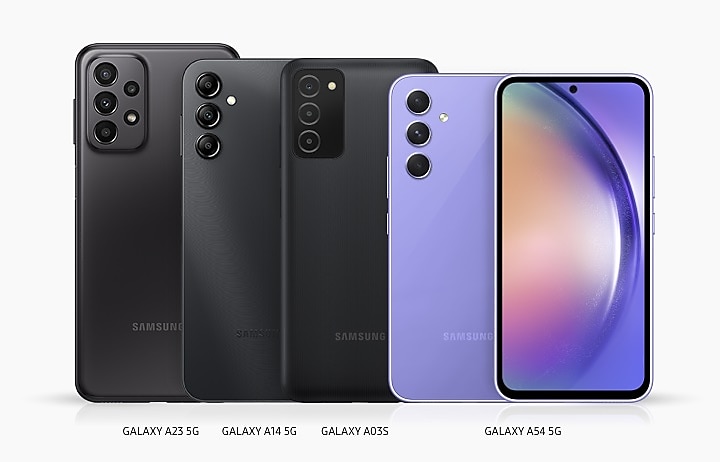
The Samsung Galaxy S II, released in April 2011, marked a significant evolution in the smartphone landscape, combining cutting-edge technology with elegant design. This device quickly became one of the best-selling smartphones of its time, setting a standard that many competitors aimed to achieve. It was a game-changer for Samsung, paving the way for the company’s dominance in the mobile market.
One of the standout features of the Galaxy S II was its sleek and lightweight design, which featured a thin profile measuring just 8.49 mm thick and weighing only 116 grams. The device was constructed with a plastic back cover, but its design was still aesthetically pleasing and functional. The large 4.3-inch Super AMOLED Plus display was a significant advancement, providing vibrant colors and deep blacks, which enhanced the user experience whether browsing the web or viewing videos.
Key Features and Specifications
The Samsung Galaxy S II was packed with features that positioned it at the forefront of smartphone technology. Among these features were:
- Display: The 4.3-inch Super AMOLED Plus display offered a resolution of 800 x 480 pixels, providing sharp and vivid images. This technology allowed for better outdoor visibility and reduced power consumption.
- Processor: The device was powered by a dual-core 1.2 GHz ARM Cortex-A9 processor, ensuring smooth multitasking and efficient performance for demanding applications.
- Camera: It boasted an 8 MP rear camera with LED flash and the capability to record video in 1080p. The 2 MP front camera enabled video calls, which were becoming increasingly popular at the time.
- Operating System: The Galaxy S II initially ran on Android 2.3 Gingerbread, offering users access to a wide range of apps from the Google Play Store, with later updates available to newer Android versions.
- Battery Life: The device was equipped with a 1650 mAh battery, which provided a competitive battery life, allowing users to stay connected throughout the day without frequent recharges.
“The Galaxy S II’s brilliance lay not just in its specifications, but also in the user experience it offered, combining functionality with style.”
The combination of its advanced features, larger display, and powerful processor set the Galaxy S II apart from its competitors, helping to solidify Samsung’s reputation as a leading smartphone manufacturer. Its lightweight design made it easy to handle and carry, while the stunning screen technology provided an immersive experience for users engaging with multimedia content.
Features and Specifications
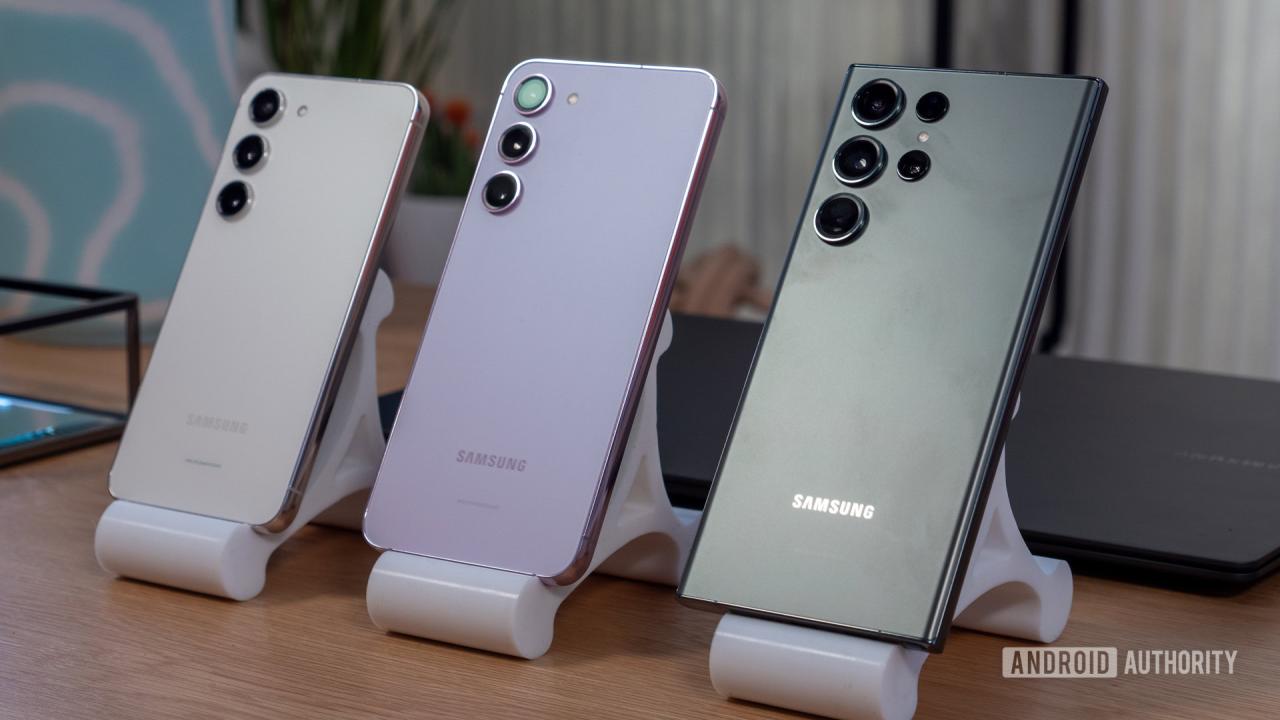
The Samsung Galaxy S II was a revolutionary smartphone when it was launched, setting high standards for mobile technology at the time. It was packed with impressive features and specifications that made it a favorite among consumers and critics alike.
The device was powered by a robust dual-core processor and featured camera capabilities that were industry-leading at the time of its release. The Galaxy S II also boasted a long-lasting battery life, which contributed to its appeal as a reliable smartphone for everyday use.
Specifications Overview
The key specifications of the Samsung Galaxy S II include the following:
- Processor: Dual-core 1.2 GHz Cortex-A9
- RAM: 1 GB
- Storage: 16/32 GB internal storage, expandable via microSD card up to 64 GB
- Display: 4.3-inch Super AMOLED Plus, 480 x 800 pixels
- Camera: 8 MP rear camera with autofocus and LED flash, 2 MP front camera
- Battery: Removable Li-Ion 1650 mAh battery
- Operating System: Initially shipped with Android 2.3 (Gingerbread), upgradable to Android 4.1.2 (Jelly Bean)
The Galaxy S II’s dual-core processor allowed for smooth multitasking and enhanced performance, while the 8 MP camera offered clear photo quality, making it suitable for both casual and professional photography.
Feature Comparison Table
To gauge the competitive landscape of the Samsung Galaxy S II, the following table compares its features with other notable smartphones released in 2011:
| Feature | Samsung Galaxy S II | HTC Sensation | Nokia N9 |
|---|---|---|---|
| Processor | 1.2 GHz Dual-core | 1.2 GHz Dual-core | 1.0 GHz Dual-core |
| RAM | 1 GB | 1 GB | 1 GB |
| Camera | 8 MP | 8 MP | 8 MP |
| Battery Life | 1650 mAh | 1520 mAh | 1450 mAh |
| Operating System | Android 2.3, upgradable to 4.1.2 | Android 2.3, upgradable to 4.0 | Meego |
The table illustrates that the Galaxy S II was competitive in terms of processing power, memory, and camera capabilities, which contributed to its favorable reception in the smartphone market of 2011.
Software Capabilities
The Samsung Galaxy S II initially operated on Android 2.3 Gingerbread, providing users with a dynamic interface and access to a multitude of applications through the Google Play Store. During its lifecycle, the device was eligible for upgrades, allowing users to transition to Android versions up to 4.1.2 Jelly Bean, which further improved performance, battery management, and user interface refinements.
The software enhancements brought features such as improved notifications, Google Now, and Project Butter for smoother transitions, significantly improving user experience. The access to various applications and services solidified the Galaxy S II’s reputation as a versatile smartphone that catered to the needs of a diverse user base.
User Experience and Popularity
The Samsung Galaxy S II has garnered a loyal user base since its launch, with many praising its performance and user-friendly interface. Testimonials from users highlight their satisfaction with the device’s capabilities, showcasing its position in the market as a reliable smartphone option. The balance of features, design, and usability has contributed significantly to its popularity.
User feedback paints a vivid picture of the Galaxy S II experience, emphasizing how the device has seamlessly integrated into daily routines. One user noted, “The sleek design and vibrant screen make everything from browsing to gaming a joy,” reflecting the overall sentiment surrounding the phone. The device’s multitasking capabilities have also drawn favorable remarks, with another user stating, “Switching between apps is effortless, and I can handle everything I need without any lag.”
Popular Apps and Accessories
To enhance the user experience of the Samsung Galaxy S II, several applications and accessories have emerged as favorites among users. The following apps have received high praise for their functionality and ease of use:
- WhatsApp: Essential for staying connected with friends and family through messaging and calls.
- Spotify: A go-to app for music lovers, providing access to a vast library of songs and playlists.
- Instagram: For capturing and sharing moments, this app has become indispensable for users wanting to showcase their lives visually.
- Evernote: Ideal for note-taking and organization, it helps users manage their tasks efficiently.
- Google Maps: An essential navigation tool that assists users in finding their way easily while on the go.
In terms of accessories, users have shown a preference for items that enhance the device’s functionality and protection:
- Screen Protectors: Many users opt for tempered glass protectors to safeguard their displays from scratches and damage.
- Bluetooth Headphones: Offering convenience, these accessories allow for hands-free listening without the hassle of wires.
- Portable Chargers: Essential for on-the-go users, these chargers ensure that the device remains powered throughout the day.
Battery Performance and Durability Feedback
Battery life is a critical aspect of user satisfaction, and the Galaxy S II has received mixed reviews in this area. While some users have reported satisfactory performance, particularly with moderate usage, others have expressed concerns regarding battery longevity. Common feedback indicates that heavy multitasking and resource-intensive applications can lead to quicker battery drainage.
Users have noted, “On a typical day with moderate use, I can easily make it through without worrying about charging,” while others mention that “using GPS for navigation drains the battery faster than expected.” This disparity highlights the importance of understanding individual usage patterns in assessing battery performance.
Durability is another focal point in user reviews, with many users finding the Galaxy S II to be robust. Feedback like, “I’ve dropped my phone a few times, and it still works perfectly fine,” suggests that the device can withstand everyday wear and tear. However, users are advised to invest in protective cases to enhance durability further, especially in more demanding environments.
In summary, the Samsung Galaxy S II continues to be a popular choice for many users, driven by its user-friendly experience, popular apps, useful accessories, and a reputation for reasonable battery performance and durability.
Impact on Mobile Technology
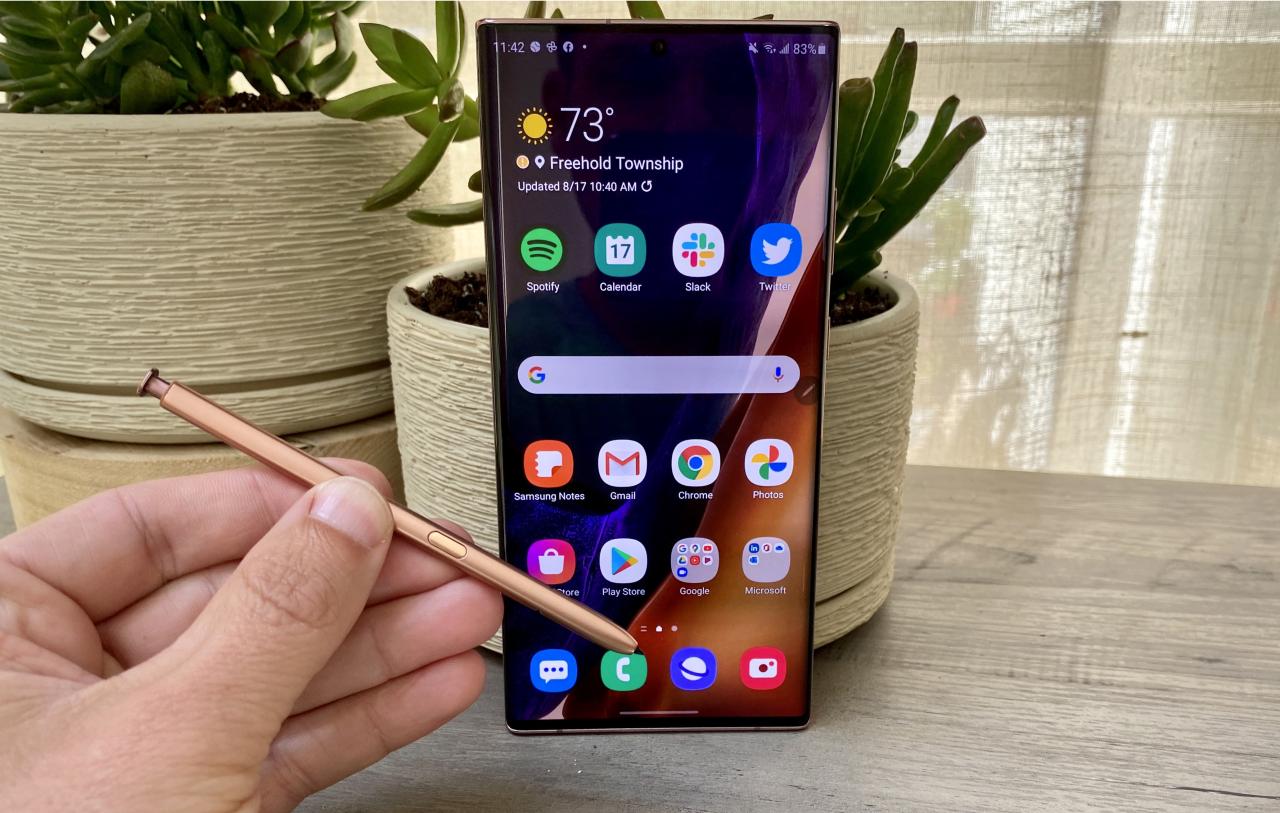
The Samsung Galaxy S II, released in 2011, marked a pivotal moment in the evolution of smartphones, setting new industry standards that influenced the design and functionality of subsequent devices. With its innovative features and powerful performance, the Galaxy S II not only redefined user expectations but also paved the way for future advancements in mobile technology.
The Galaxy S II introduced a plethora of technological advancements that distinguished it from earlier models, showcasing Samsung’s commitment to innovation. Compared to its predecessors, the device featured a larger 4.3-inch Super AMOLED Plus display, which provided vibrant colors and improved visibility in bright sunlight. This leap in screen technology set a new benchmark for other manufacturers, leading to a trend toward larger, higher-resolution displays in subsequent smartphones.
Technological Advancements Compared to Earlier Models, Samsung galaxy s ii
The Galaxy S II was instrumental in the introduction of several key technologies that would become standard in future smartphones. Some of these advancements include:
- Dual-Core Processor: The Galaxy S II was one of the first smartphones to feature a dual-core processor, the Exynos 4210, which significantly improved multitasking capabilities and overall performance compared to single-core models.
- Enhanced Camera Technology: With an 8MP rear camera and 2MP front camera, the Galaxy S II offered superior photography features, including 1080p video recording, which became essential for modern smartphones.
- Lightweight Design: Weighing only 116 grams, the Galaxy S II was remarkably lightweight for its time, promoting the trend of slim and portable devices that are now commonplace in the market.
- Improved Battery Life: The device included a 1650 mAh battery, providing a longer duration of use compared to earlier models, emphasizing the importance of battery efficiency in mobile technology.
The influence of the Galaxy S II extended beyond its immediate features, as it played a crucial role in Samsung’s growth within the mobile phone market. Its success not only solidified Samsung’s reputation for producing high-quality smartphones but also significantly increased its market share. The device became a flagship model that contributed to the company’s brand identity as a leader in innovation and design.
“The Galaxy S II was a game-changer, setting the bar high for smartphone performance and user experience.”
The competitive landscape of the smartphone market changed dramatically due to the success of the Galaxy S II. By embracing features that appealed to consumers—such as a superior display, enhanced camera capabilities, and robust processing power—Samsung established a roadmap for future smartphones that competitors would follow. This model of continuous improvement and innovation laid the groundwork for the extensive smartphone ecosystem that exists today, influencing brands worldwide to prioritize user experience and technological advancements in their designs.
FAQ Overview
What year was the Samsung Galaxy S II released?
The Samsung Galaxy S II was released in 2011.
What is the battery life of the Samsung Galaxy S II?
The battery life of the Samsung Galaxy S II is approximately 7-8 hours of talk time, depending on usage.
What operating system does the Samsung Galaxy S II run?
The Samsung Galaxy S II originally ran on Android 2.3 Gingerbread and was later upgradable to Android 4.1 Jelly Bean.
How many megapixels is the camera on the Samsung Galaxy S II?
The Samsung Galaxy S II features an 8-megapixel rear camera.
Does the Samsung Galaxy S II support 4G networks?
No, the Samsung Galaxy S II does not support 4G networks; it operates on 3G networks.
The Samsung S10 has made a significant impact in the smartphone market with its impressive features and sleek design. Users appreciate the vibrant display and powerful camera, setting a high bar for competitors. This model showcases Samsung’s commitment to innovation and quality, making it a top choice for tech enthusiasts.
In the realm of productivity, the Samsung Galaxy Note10 stands out with its S Pen functionality, enabling seamless note-taking and creative tasks. This device combines power and portability, catering to professionals seeking efficiency in their daily routines while delivering stunning performance for multimedia consumption.