samsung galaxy s 4 redefined what users expect from a smartphone, blending innovative features with sleek design. Released in April 2013, it quickly garnered attention for its advanced technology and user-friendly interface, setting a high standard in the competitive mobile market. Equipped with a vibrant display, powerful processor, and versatile storage options, the Galaxy S4 captured the hearts of both tech enthusiasts and everyday users alike.
Its unique features, such as Air Gesture and Smart Scroll, distinguished it from its predecessors, elevating the user experience to new heights. The camera capabilities, promising stunning images, positioned the Galaxy S4 as a formidable contender against other smartphones of its era.
General Overview of Samsung Galaxy S4: Samsung Galaxy S 4
The Samsung Galaxy S4, launched in April 2013, marked a significant milestone in the smartphone industry, showcasing cutting-edge technology and innovative features that captivated consumers worldwide. With its sleek design, powerful specifications, and an array of smart functionalities, the Galaxy S4 quickly became one of the best-selling smartphones of its time, illustrating Samsung’s prowess in the highly competitive mobile market.
The Galaxy S4 features a polycarbonate body that combines a light weight with a stylish finish. Its 5-inch Super AMOLED display offers vibrant colors and sharp contrasts, significantly enhancing the user experience. Equipped with a full HD resolution of 1920 x 1080 pixels, images and videos appear exceptionally clear and immersive. The device also incorporates several advanced features, such as an infrared blaster for remote control functionality, a 13-megapixel rear camera, and a 2-megapixel front camera, catering to both photography enthusiasts and casual users alike.
Initial Release and Market Reception
The initial release of the Samsung Galaxy S4 took place on April 26, 2013, following its unveiling at the Mobile World Congress in Barcelona earlier that year. The anticipation surrounding its launch was palpable, fueled by the success of its predecessor, the Galaxy S3. Upon release, the Galaxy S4 received overwhelmingly positive reviews, lauded for its performance and innovative features.
Market reception was marked by high demand, leading to impressive sales figures. Within the first month alone, Samsung reported over 10 million units sold, reinforcing its position as a leader in the smartphone segment. Analysts credited its success to a combination of aggressive marketing, a strong feature set, and Samsung’s established reputation for quality.
Technical Specifications
The technical specifications of the Samsung Galaxy S4 played a pivotal role in its appeal to tech-savvy consumers. Below is an overview of the key specifications that defined this smartphone:
- Display: 5.0-inch Super AMOLED, 1920 x 1080 pixels, ~441 ppi density
- Processor: Available with either Snapdragon 600 (USA) or Exynos 5 Octa (International), offering efficient performance and multitasking capabilities
- Storage Options: Available in 16GB, 32GB, and 64GB variants, with expandable memory via microSD card (up to 64GB)
- RAM: 2GB RAM, supporting smooth operation and application loading
- Operating System: Initially shipped with Android 4.2.2 Jelly Bean, upgradable to later versions
- Camera: 13MP rear camera with features such as dual-shot, and a 2MP front camera for high-quality selfies and video calls
The combination of a high-resolution display, powerful processing capabilities, and versatile camera features made the Galaxy S4 a competitive choice for consumers seeking a premium smartphone experience.
Key Features and Innovations
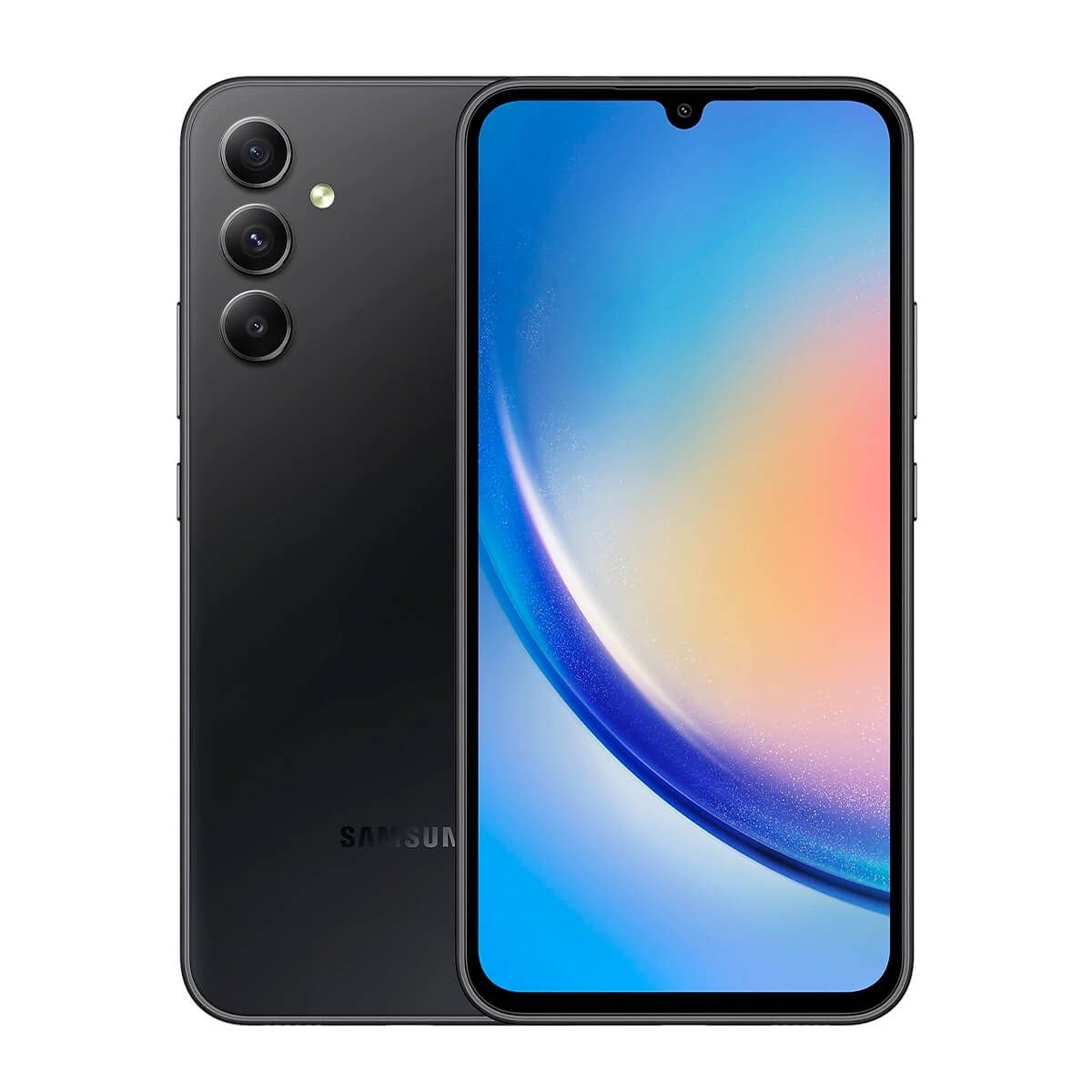
The Samsung Galaxy S4 marked a significant evolution in smartphone technology, introducing a suite of features that set it apart from its predecessors and contemporaries. This flagship device was not just about hardware upgrades; it also brought innovative functionalities that enhanced user experience and defined its market position.
One of the standout features of the Galaxy S4 is its implementation of Air Gestures and Smart Scroll technologies. These enhancements reflect Samsung’s commitment to intuitive user interaction and convenience.
Air Gesture and Smart Scroll Functionality
Air Gestures allow users to interact with their device without physically touching the screen. This feature is particularly useful in scenarios where the user’s hands may be dirty or wet. Users can navigate through their device by waving their hand over the screen, such as flipping through photos or answering calls without the need for contact.
Smart Scroll, on the other hand, employs a combination of the front-facing camera and sensors to track the user’s eye movements. This technology enables content to scroll automatically based on where the user is looking, providing a seamless reading experience. If a user tilts their head, the device can adjust the scrolling, making it easier to consume information without manual input.
Camera Capabilities Comparison
The camera of the Samsung Galaxy S4 was a significant leap forward, boasting a 13-megapixel rear camera that offered features typically found in standalone digital cameras. Compared to other smartphones of its time, such as the iPhone 5 and HTC One, the S4’s camera was recognized for its superior low-light performance and rich detail reproduction.
Key camera features include:
- Dual Shot: This innovative mode allows users to capture images with both the front and rear cameras simultaneously, merging selfies with the background for unique photos.
- Sound & Shot: Users can record a brief audio clip while taking a photo, adding a personal touch to their memories.
- Best Photo: The camera takes multiple shots in quick succession and recommends the best one, ensuring that users never miss the perfect moment.
The ability to shoot up to 1080p video and the use of HDR (High Dynamic Range) further positioned the Galaxy S4 as a formidable competitor in the smartphone market, appealing to both casual users and photography enthusiasts alike. In comparison tests, the S4 often outperformed its peers in terms of color accuracy and dynamic range, making it a popular choice for those prioritizing camera quality in their mobile devices.
User Experience and Performance

The Samsung Galaxy S4 has garnered a significant amount of attention for its user experience and performance metrics, which are critical for daily usability. Users have shared a wealth of feedback regarding the device’s battery life and general performance in real-world scenarios. This information is invaluable for prospective buyers and current owners alike, as it highlights both the strengths and challenges faced by users.
Battery life is a fundamental aspect that many users evaluate when considering a smartphone’s performance. The Galaxy S4 is equipped with a 2,600 mAh battery, which, according to user feedback, generally provides a full day’s use under moderate conditions. However, heavy users have reported that the battery depletes more rapidly when running data-intensive applications or games. Users have noted that certain settings, such as screen brightness and background application management, can significantly impact battery longevity.
Common Issues Faced by Users
While the Galaxy S4 has received praise for its features, several common issues have been reported by users. Understanding these challenges can help new users navigate and mitigate potential frustrations.
Many users have experienced the following challenges:
- Occasional lag during heavy multitasking or while using demanding applications.
- Overheating issues when charging or using the device for extended periods.
- Random crashes or slowdowns, particularly after software updates.
- Difficulty in software optimization, leading to battery drain from unused apps.
These issues highlight the importance of regular software updates and maintenance, as they can greatly influence performance stability and user satisfaction.
Software Experience and Updates, Samsung galaxy s 4
The Samsung Galaxy S4 originally launched with Android 4.2.2 (Jelly Bean) and has received several notable updates throughout its lifecycle. The transitions to newer Android versions introduced enhanced features, improved security, and better overall performance.
Users have particularly highlighted the following aspects of the software experience:
- The TouchWiz interface, which offers extensive customization options but can feel cluttered to some users.
- Improvements in camera software with updates, leading to better photo quality and new features.
- Increased stability and performance enhancements in later versions of Android, such as 4.4 (KitKat) and beyond.
These updates are crucial as they not only enhance the user interface but also address many of the performance issues that users encountered during initial use. Keeping the device updated ensures that users can take full advantage of the latest features and security improvements.
Accessories and Compatibility
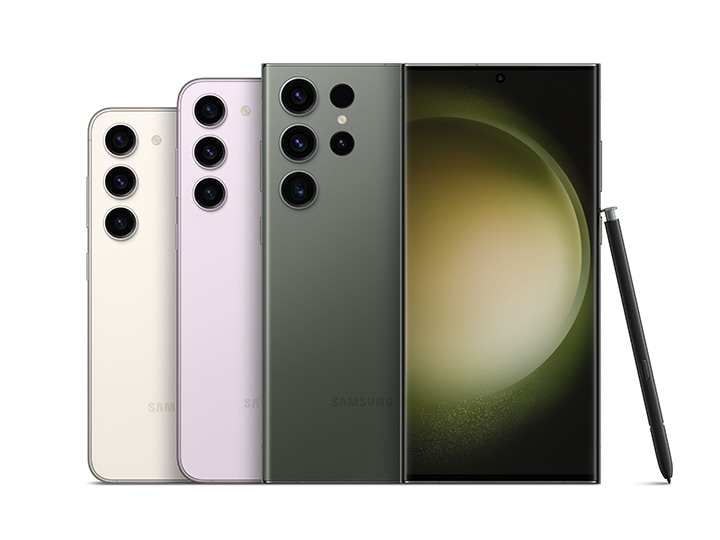
The Samsung Galaxy S4, while a powerful device on its own, can be greatly enhanced with a variety of accessories that cater to different needs and preferences. From protective cases to advanced audio solutions, the right accessories not only augment functionality but also contribute to a personalized user experience. This section will delve into popular accessories, third-party application enhancements, and maintenance tips to ensure the longevity of your Galaxy S4.
Popular Accessories for Samsung Galaxy S4
Numerous accessories are available for the Samsung Galaxy S4, each designed to improve usability, protection, or functionality. Here’s a look at some of the most sought-after accessories and their purposes:
- Protective Cases: Cases such as OtterBox and Spigen offer varying levels of protection against drops and scratches, ensuring the phone’s longevity.
- Screen Protectors: Tempered glass or film protectors safeguard the display against scratches and cracks, maintaining clear visibility.
- Portable Chargers: Power banks from brands like Anker allow users to recharge their devices on the go, eliminating battery anxiety.
- Bluetooth Headsets: Devices like the Samsung Level U Wireless Headphones provide high-quality audio for calls and music without the hassle of wires.
- Smartwatches: The Samsung Galaxy Gear can synchronize with the Galaxy S4, offering notifications, fitness tracking, and more directly on the wrist.
- Wireless Speakers: Bluetooth speakers enable users to enjoy music with enhanced sound quality, perfect for gatherings or outdoor activities.
Enhancing Functionality with Third-Party Applications
The Samsung Galaxy S4 supports a wide range of third-party applications that can significantly enhance its functionality. Users can customize their experience according to their needs, whether for productivity, entertainment, or convenience.
To enhance the functionality of the Galaxy S4, consider the following categories of applications:
- Productivity Apps: Applications like Evernote and Microsoft Office allow for efficient note-taking and document editing on the go.
- Health and Fitness Apps: MyFitnessPal and Samsung Health help users track their fitness goals and nutrition, integrating with the device’s sensors.
- Photography Apps: Apps such as Snapseed and VSCO provide advanced editing tools for enhancing photos taken with the Galaxy S4’s camera.
- Music and Streaming Apps: Spotify and Netflix allow users to enjoy media content without needing additional devices, ensuring entertainment anytime.
- Customization Apps: Launchers like Nova Launcher let users personalize their home screens and app layouts, offering a unique look and feel.
Maintenance and Protection Tips
To prolong the lifespan of the Samsung Galaxy S4, users should adopt various maintenance and protection strategies that prevent damage and optimize performance. Regular upkeep is essential for keeping the device running smoothly over time.
Consider these maintenance tips to ensure your device remains in top condition:
- Regular Software Updates: Keeping the device’s software up to date ensures access to the latest features and security patches.
- Battery Care: Avoid letting the battery drain completely on a regular basis; instead, charge it when it reaches around 20% to maintain optimal battery health.
- Clean the Device: Periodically clean the screen and body of the phone with a microfiber cloth to prevent dirt buildup and maintain clarity.
- Safe Charging Practices: Use original or certified chargers to avoid damage from incompatible charging equipment, which can affect battery lifespan.
- Storage Management: Regularly delete unused apps and files to free up storage space, which can enhance overall performance.
Query Resolution
What is the battery capacity of the samsung galaxy s 4?
The samsung galaxy s 4 features a 2600 mAh battery capacity.
Does the samsung galaxy s 4 support expandable storage?
Yes, it supports microSD cards up to 64GB for expandable storage.
What Android version did the samsung galaxy s 4 launch with?
It launched with Android 4.2.2 Jelly Bean and was upgradable to later versions.
Are there any notable accessories for the samsung galaxy s 4?
Yes, popular accessories include wireless chargers, cases, and screen protectors.
How does the camera of the samsung galaxy s 4 compare to its peers?
The camera features a 13MP sensor with advanced shooting modes, competitive with other flagship smartphones at its launch.
The launch of the samsung note7 marked a significant moment in smartphone history, especially due to its innovative features and stunning design. However, the subsequent battery issues led to a massive recall, impacting consumer trust. This incident serves as a reminder of the importance of safety in technology, affecting the brand’s reputation in the long run.
Following the challenges faced by the note7, Samsung sought to regain its footing with the introduction of the samsung galaxy f. This model promises to deliver high-performance specifications at a more accessible price point, targeting a broader audience. With its sleek design and robust features, the galaxy f aims to capture the attention of consumers looking for quality without breaking the bank.