samsung galaxy note 7 is a smartphone that generated both excitement and controversy upon its release. Launched with impressive features and specifications, it promised to set a new standard for mobile devices, boasting a sleek design and powerful performance. However, its journey was marred by safety concerns that led to global recalls, forever altering its place in the smartphone industry.
This device was equipped with a stunning display, robust hardware, and a versatile S Pen, which enhanced productivity and creativity for users. Its innovative design choices and advanced technology were met with praise, but the safety issues that arose quickly overshadowed its achievements, leading to a complicated legacy.
Features and Specifications: Samsung Galaxy Note 7

The Samsung Galaxy Note 7 stands out in the smartphone market with its exceptional features and specifications, combining cutting-edge technology with user-centric design. Launched in 2016, this device aimed to provide an unparalleled experience for productivity-focused users, blending functionality with aesthetics.
The Galaxy Note 7 is equipped with a range of impressive specifications that not only enhance its performance but also distinguish it from competitors. Powered by the Qualcomm Snapdragon 820 or Exynos 8890 processor, depending on the region, it delivers swift multitasking capabilities and smooth performance. With 4GB of RAM and storage options of 64GB, expandable via microSD, the device caters to various user needs, whether for extensive app usage or media consumption.
Main Features
The Galaxy Note 7 integrates features that appeal to both casual users and professionals, significantly enhancing the overall user experience.
- Display: The device boasts a stunning 5.7-inch Super AMOLED display with a resolution of 1440 x 2560 pixels, providing vibrant colors and deep blacks, ideal for reading, gaming, and media consumption.
- S Pen: A hallmark of the Note series, the S Pen stylus is redesigned for improved precision and functionality, allowing users to jot down notes, sketch, and navigate seamlessly.
- Camera: Equipped with a 12 MP rear camera and a dual-pixel sensor for quick autofocus, along with a 5 MP front-facing camera, the Note 7 captures stunning images and videos in various conditions.
- Battery: The device features a robust 3,500 mAh battery, designed to offer a full day’s usage with fast charging capabilities, both wired and wireless, ensuring minimal downtime.
- Water Resistance: With an IP68 rating, the Note 7 is water and dust resistant, allowing it to withstand the elements and enhancing its durability.
Specifications That Set the Galaxy Note 7 Apart
The specifications of the Samsung Galaxy Note 7 contribute significantly to its competitive edge in the smartphone arena.
- Processor: The combination of Snapdragon 820 or Exynos 8890 ensures high performance and efficiency, enabling quick app launches and smooth operations.
- RAM and Storage: The 4GB RAM along with 64GB internal storage (expandable to 256GB) provides ample space for apps, media, and files, catering to high-demand users.
- Operating System: Initially running on Android 6.0 (Marshmallow), the Note 7 supports updates, allowing users to benefit from the latest software features.
- Security: The device includes features such as fingerprint recognition and iris scanning, enhancing security and making it easy to unlock with just a glance.
- Connectivity: With support for 4G LTE, Wi-Fi, Bluetooth 4.2, and NFC, users can enjoy fast connectivity for browsing, streaming, and sharing content.
Design Elements and Materials
The design of the Galaxy Note 7 encapsulates elegance and functionality, making it a visually appealing device.
- Premium Build: The phone features a glass front and back with a metal frame, adding a touch of luxury while providing robustness.
- Curved Edges: The dual-edge display not only makes for a stunning visual experience but also enhances usability, allowing for easier navigation and access to shortcuts.
- Ergonomics: The phone’s shape is designed for comfort, fitting snugly in the hand, and making it easy to use the S Pen without awkward angles.
- Color Options: Available in various colors like Black Onyx, Silver Titanium, Gold Platinum, and Blue Coral, users have the option to choose a style that matches their personality.
- Ambient Display: The Always On Display feature allows users to see notifications and time without fully waking the device, providing convenience and saving battery life.
Performance and User Experience
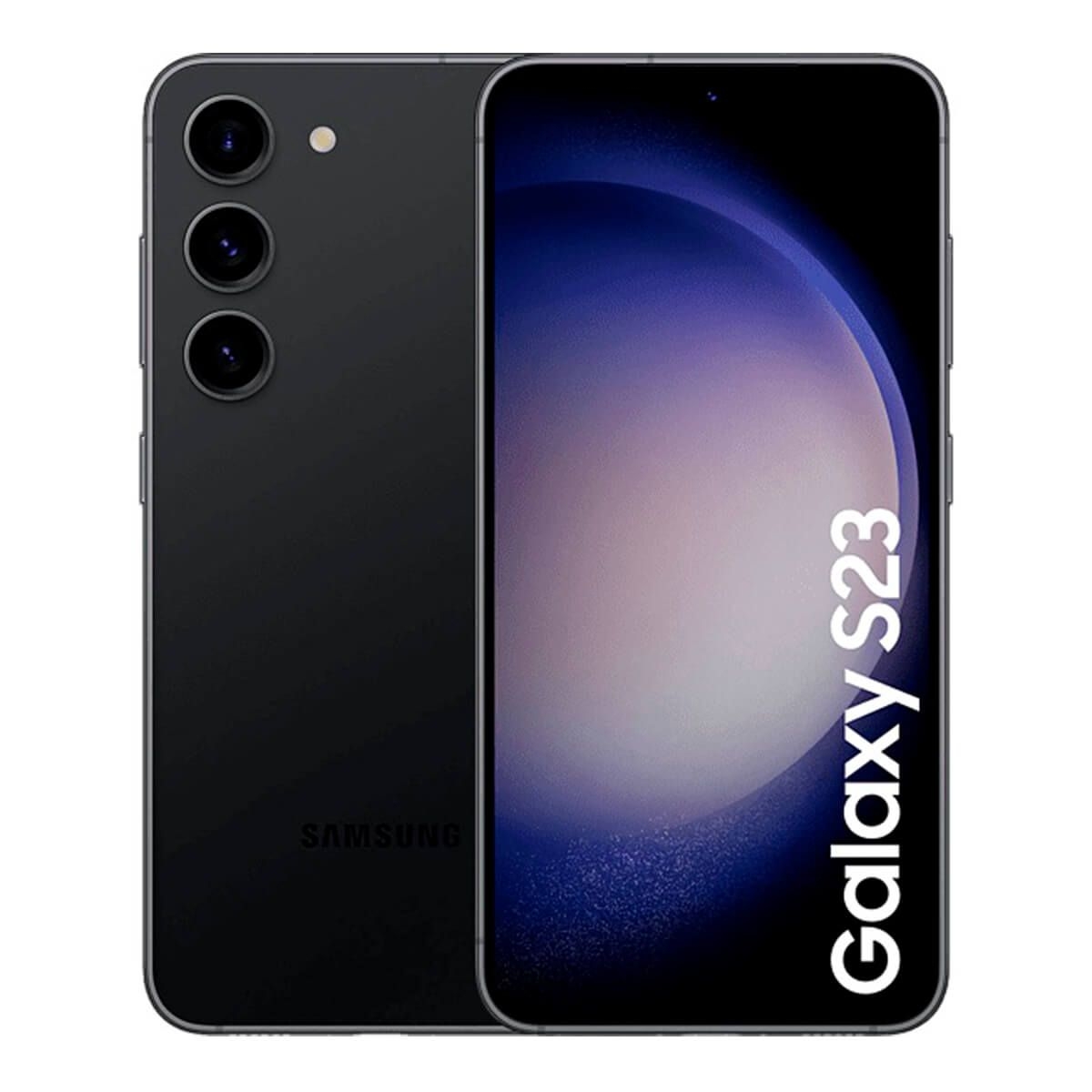
The Samsung Galaxy Note 7 was a powerful flagship device that showcased commendable performance and an enhanced user experience during its time. With its robust hardware and thoughtful software features, the Note 7 aimed to elevate productivity and efficiency for users. In this segment, we delve into the everyday performance of the Galaxy Note 7, compare its user experience with contemporaries, and highlight software enhancements that contributed to its appeal.
Day-to-Day Performance
The Galaxy Note 7 excelled in day-to-day usage, thanks to its Exynos 8890 (or Snapdragon 820 in certain markets) processor paired with 4GB of RAM. This combination ensured swift multitasking and smooth app transitions, making it a reliable companion for both work and leisure. Users frequently reported that tasks such as web browsing, gaming, and media consumption were handled seamlessly.
The device supported a multitude of applications, with a user interface that was responsive and intuitive. Users appreciated the ability to run multiple apps side by side, a feature facilitated by the device’s large 5.7-inch AMOLED display. The graphical fidelity in games and the clarity of videos were consistently praised, highlighting the Note 7’s capability in rendering high-quality visuals without lag.
Comparative User Experience
When comparing the Galaxy Note 7 with other flagship smartphones of its era, such as the iPhone 7 Plus and Google Pixel, it stood out due to its S Pen functionality and additional screen real estate. The S Pen allowed for precision input and creative tasks, such as drawing and note-taking, which appealed to a specific demographic of users, including professionals and creatives.
While the iPhone 7 Plus offered a fluid iOS experience and the Pixel excelled in photography, the Note 7 provided a more versatile user experience with its multitasking capabilities and productivity tools. Users often preferred the Note 7 for tasks requiring heavy typing or drawing, largely due to its larger screen and stylus.
Software Features and Enhancements
The Galaxy Note 7 came equipped with a suite of software features that significantly enhanced productivity. Notable features included:
- Always-On Display: This feature allowed users to check notifications and time without unlocking the device, saving time and battery life.
- Multi-Window Mode: Users could run two apps simultaneously, which proved invaluable for multitasking and improving workflow.
- S Pen Features: The S Pen included functionalities like Screen Off Memo, Smart Select, and Translate, each designed to streamline tasks such as note-taking or quick translations.
- Samsung Notes: A comprehensive note-taking application that allowed users to sync notes across devices and integrate multimedia, increasing productivity.
These enhancements collectively contributed to a user experience that was not only efficient but also tailored to meet the specific needs of various users. The Galaxy Note 7’s performance and software capabilities positioned it as a leading choice among power users looking for a balanced blend of productivity and functionality.
Safety Concerns and Recalls
The Samsung Galaxy Note 7, launched amidst high expectations, soon became notorious due to alarming safety issues that led to widespread recalls. Understanding the reasons behind these recalls, the measures taken by Samsung to ensure consumer safety, and the broader impact on consumer trust in smartphone brands is crucial in addressing how the incident has shaped the industry.
The Galaxy Note 7 was fraught with battery-related safety concerns that became evident shortly after its release. Reports surfaced of the devices catching fire or exploding while charging, primarily attributed to faulty lithium-ion batteries. Samsung identified issues related to manufacturing defects and inconsistent quality control processes, leading to the decision to initiate a global recall. The initial replacement devices, however, were not free from risk, as similar incidents occurred, ultimately resulting in a second recall and the discontinuation of the model entirely.
Safety Measures Implemented Post-Recall, Samsung galaxy note 7
In response to the catastrophic failures associated with the Galaxy Note 7, Samsung undertook several significant measures to restore consumer confidence and enhance safety protocols. The implementation of these safety measures included:
- Battery Safety Checks: Samsung established an extensive 8-point battery safety check system, ensuring rigorous testing protocols for battery materials, design, and performance.
- Collaboration with Industry Experts: The company enlisted the help of external organizations and safety experts to review their processes and provide guidance on best practices in battery manufacturing.
- Consumer Communication: Samsung launched a transparent communication campaign, keeping consumers informed about safety updates and the steps taken to rectify issues, including a clear return and refund process for the Note 7.
- Enhanced Quality Control: Enhanced quality assurance measures were introduced in the manufacturing process, focusing on design and production to mitigate risks in future devices.
The profound implications of the Galaxy Note 7 incidents on consumer trust cannot be overstated. Following the recalls, many consumers exhibited skepticism towards not only Samsung but also the smartphone industry as a whole. This led to a significant shift in how brands approached product safety and quality assurance.
“Consumer trust is paramount; the Galaxy Note 7 incident reshaped safety standards and consumer expectations in the tech industry.”
Surveys conducted after the incident indicated a decline in brand loyalty, with many users considering alternative manufacturers for their next devices. Samsung’s challenge extended beyond rectifying the immediate safety concerns, as regaining consumer confidence has become a long-term endeavor. The incident serves as a pivotal case in the tech industry, prompting other manufacturers to reassess their safety protocols and reinforce their commitment to consumer protection.
Market Reception and Legacy
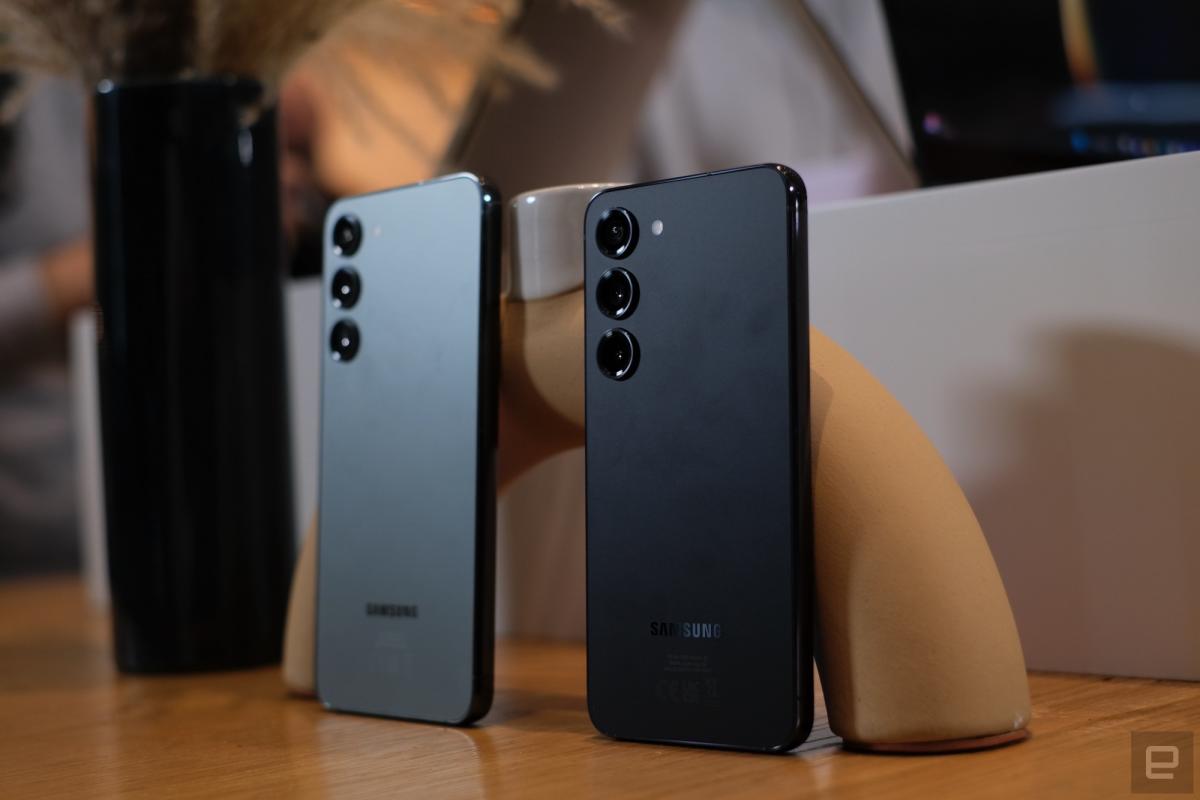
The Samsung Galaxy Note 7 was launched in August 2016 amid high expectations, as it sought to build on the success of its predecessor, the Note 5. However, the device’s reception quickly turned sour due to safety concerns that overshadowed its innovative features and premium design. Initial reviews celebrated its aesthetics, display quality, and S Pen functionality, but the subsequent battery issues led to one of the most significant product recalls in tech history, fundamentally impacting its market perception.
Market Reception Upon Release
Upon its debut, the Galaxy Note 7 received positive accolades from consumers and critics alike, primarily due to its stunning Infinity Display, improved S Pen stylus, and advanced camera capabilities. Analysts noted that Samsung’s marketing strategy effectively highlighted these features, aiming to reach creative professionals and mobile enthusiasts. However, as reports of battery explosions emerged, the perception shifted dramatically. The initial wave of praise turned to panic, leading to a global recall. Samsung’s swift action to halt sales and issue a replacement program was commendable but could not fully mitigate the damage to the device’s reputation.
Influence on Subsequent Smartphone Designs
Despite its tumultuous history, the Galaxy Note 7 left an indelible mark on the smartphone industry, influencing design and functionality in various ways. Key design elements introduced with the Note 7 include:
- Edge Display: The curved screen design became a template for future flagship devices, as manufacturers sought to enhance aesthetics and usability.
- S Pen Enhancements: The integration of the S Pen with features like screen-off memo and live message set a precedent for stylus functionality in smartphones.
- Water Resistance: The Note 7’s IP68 rating emphasized the importance of durability, prompting other manufacturers to adopt similar standards in their devices.
- Camera Innovations: The dual-pixel technology and low-light performance established a benchmark that many subsequent smartphones aimed to achieve.
These features not only redefined user expectations but also pushed competitors to innovate, which led to a rapid evolution in smartphone capabilities.
Legacy Within the Smartphone Industry
The legacy of the Samsung Galaxy Note 7 is complex; it serves as an important case study in both innovation and crisis management within the tech industry. While it was ultimately pulled from the market, the device brought attention to critical issues regarding battery safety and quality control processes. Manufacturers began to prioritize rigorous testing and transparent communication with consumers, recognizing the potential impact of safety concerns on brand loyalty.
“The Note 7 incident prompted a shift in industry standards, emphasizing the need for safety and reliability in consumer electronics.”
Moreover, the Galaxy Note series continued to thrive post-Note 7, with subsequent models like the Note 8 building on the lessons learned from its predecessor. The emphasis on user experience, coupled with advancements in technology, ensured the Note series retained its premium status in the market. Ultimately, while the Note 7 faced challenges, its influence on design, safety protocols, and market strategies resonates within the smartphone industry to this day.
Key Questions Answered
What were the main features of the samsung galaxy note 7?
The Samsung Galaxy Note 7 featured a 5.7-inch Quad HD display, an S Pen, water resistance, and a dual pixel camera, among other advanced specifications.
Why was the samsung galaxy note 7 recalled?
The device was recalled due to battery issues that caused fires and explosions, prompting Samsung to issue a worldwide recall.
What safety measures did Samsung implement after the recall?
After the recall, Samsung enhanced their battery testing protocols and established an 8-point battery safety check to prevent future incidents.
How did the samsung galaxy note 7 impact consumer trust?
The incidents surrounding the Galaxy Note 7 significantly impacted consumer trust, leading to increased scrutiny of safety practices among smartphone manufacturers.
What legacy did the samsung galaxy note 7 leave behind?
The legacy of the Galaxy Note 7 highlights the balance between innovation and safety, influencing how future devices are designed and tested.
The Samsung Galaxy Note10 has set a high standard in the smartphone market with its impressive S Pen functionality and powerful camera system. This device offers versatility for both productivity and photography enthusiasts, making it a favorite among users who prioritize performance and creativity.
With the upcoming Samsung Galaxy S11 , users are eagerly anticipating advancements in camera technology and battery life. The S11 is rumored to introduce innovative features that could redefine mobile photography, ensuring that Samsung continues to lead in the competitive smartphone arena.