Chip iPhone is at the forefront of technological advancement, marking a significant evolution in smartphone performance over the years. From the first iPhone’s humble beginnings to today’s powerhouse models, chip technology has transformed not just how we use our devices, but also how they function. Each generation of chips introduces enhancements that directly impact speed, efficiency, and user experience, making them a pivotal element in the smartphone landscape.
The journey of chip development in iPhones showcases remarkable innovations that have continuously pushed the boundaries of mobile technology. As we dive deeper into the specifics, we’ll explore how these advancements have shaped everything from battery life to gaming performance, ultimately redefining what users can achieve with their devices.
Evolution of Chip Technology in iPhones
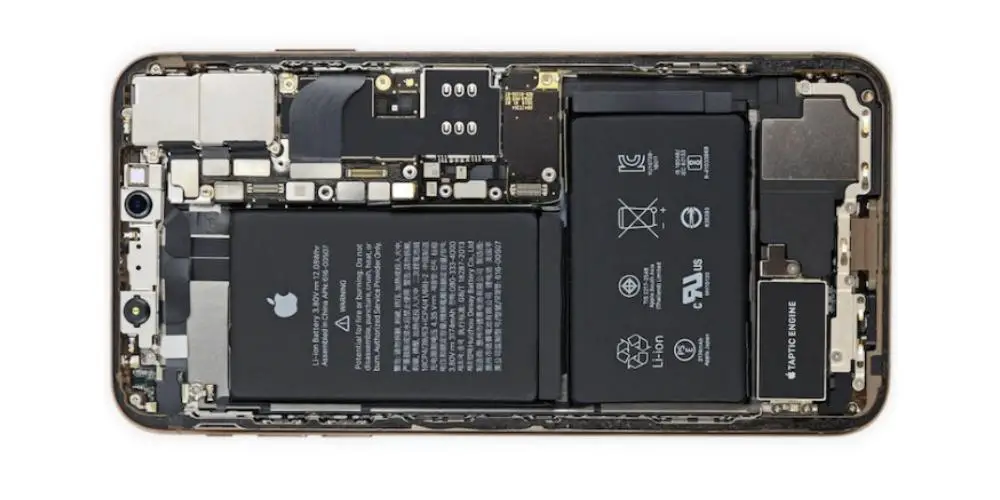
The evolution of chip technology in iPhones has been a remarkable journey, showcasing Apple’s commitment to innovation and performance. From the introduction of the first iPhone in 2007, which featured the ARM1176JZ(F)-S core, to the latest models equipped with the A16 Bionic chip, the advancements are evident in both the performance and efficiency of these devices. Each generation of iPhone chips not only enhances speed and processing capabilities but also impacts the overall user experience significantly.
The performance of iPhone chips has a direct correlation with device functionality, influencing everything from application processing to multitasking capabilities. As Apple transitioned from the A4 chip to newer models like the A15 Bionic and A16 Bionic, improvements in computational performance have been exponential. The A15, for example, features a 6-core CPU with up to 50% more performance compared to its predecessor. Such advancements allow users to run complex applications seamlessly, from high-end gaming to professional video editing.
Impact on Battery Life and Efficiency, Chip iphone
The design of chip technology greatly influences the battery life and overall efficiency of iPhones. As chips become more powerful, they also integrate energy-saving technologies to maximize performance without draining the battery. For instance, Apple’s use of a 5-nanometer process technology in the A14 Bionic chip allowed for higher transistor density, which not only improved speed but also enhanced energy efficiency. This means that users can enjoy longer usage times on a single charge, allowing for uninterrupted access to features and applications.
The following points highlight how chip optimization contributes to battery life and efficiency:
- Advanced fabrication processes, such as the 5nm and 7nm technologies, reduce energy consumption significantly while increasing performance.
- Integration of more efficient processing cores, such as the combination of high-performance and high-efficiency cores in the A15 chip, allows for dynamic power management based on workload demands.
- The implementation of features like Smart Data Mode, which intelligently manages power usage based on user behavior, enhances the overall battery performance.
- Continuous enhancements in thermal management within chip design prevent overheating, thus maintaining efficiency and longevity of the battery life.
The innovations in chip technology not only showcase Apple’s engineering prowess but also reflect the company’s understanding of consumer needs for performance, efficiency, and convenience. The transition from the initial ARM architecture to the advanced A-series chips marks a significant milestone in mobile computing, setting benchmarks in both functionality and battery management. The future of iPhone chips promises even greater advancements, with ongoing research into AI integration and energy efficiency continuing to shape the landscape of mobile technology.
Comparison of Different iPhone Chips: Chip Iphone
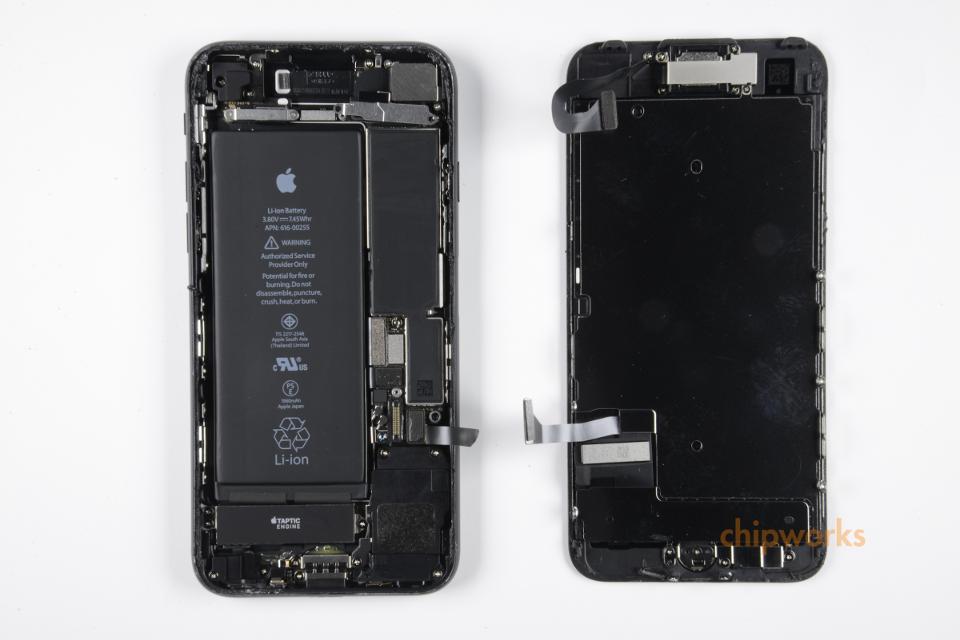
The evolution of iPhone chips has significantly influenced the performance and capabilities of Apple’s mobile devices. Each generation of the A-series chips has brought improvements in processing power, energy efficiency, and graphics performance, making it crucial for users to understand the distinctions between these technologies when making purchasing decisions.
The following comparison table Artikels key specifications for various iPhone chips, showcasing their advancements over the years.
| Chip Model | Process Node (nm) | Cores | GPU | Neural Engine Cores | Launch Year |
|---|---|---|---|---|---|
| A10 Fusion | 16 | 4 | 6-core | 1 | 2016 |
| A12 Bionic | 7 | 6 | 4-core | 8 | 2018 |
| A13 Bionic | 7 | 6 | 4-core | 8 | 2019 |
| A14 Bionic | 5 | 6 | 4-core | 16 | 2020 |
| A15 Bionic | 5 | 6 | 4-core | 16 | 2021 |
| A16 Bionic | 4 | 6 | 5-core | 16 | 2022 |
The performance differences between older and newer chip generations can be quite pronounced. The A10 Fusion, for instance, was a significant leap from previous chips, featuring a quad-core design that enabled multitasking and improved efficiency. Moving to the A12 Bionic, users experienced a 15% increase in CPU speed and a GPU performance boost of 50% compared to the A11 chip. The introduction of the A14 Bionic further solidified Apple’s dominance in mobile processing, showcasing a 40% increase in performance and efficiency over its predecessor, the A13, thanks to its smaller 5nm process technology.
Performance Impact on Gaming and Applications
The differences in chip technology directly affect gaming and app performance on iPhones. Each new chip generation introduces advanced GPU capabilities, which enhance graphics rendering, frame rates, and overall gaming experience. The A12 Bionic, for example, brought support for advanced graphics frameworks like Metal 2, allowing developers to create more immersive gaming experiences.
The A15 Bionic and A16 Bionic further optimized these capabilities, supporting features like real-time ray tracing in games, which allows for more realistic lighting and shadows. Users can expect smoother gameplay and higher fidelity graphics, evidenced by popular games like “Genshin Impact,” which requires substantial processing power to deliver immersive experiences.
In terms of app performance, the neural processing advancements in these chips have enhanced machine learning tasks across various applications, from photography enhancements in the Camera app to improved voice recognition in Siri. The integration of dedicated neural engine cores enables faster processing of complex tasks, streamlining user interactions and enabling real-time features.
Overall, the ongoing evolution of the A-series chips not only enhances gaming and app performance but also sets the standard for mobile computing power, making iPhones a preferred choice for users demanding high performance in their devices.
Role of Chips in iPhone Features
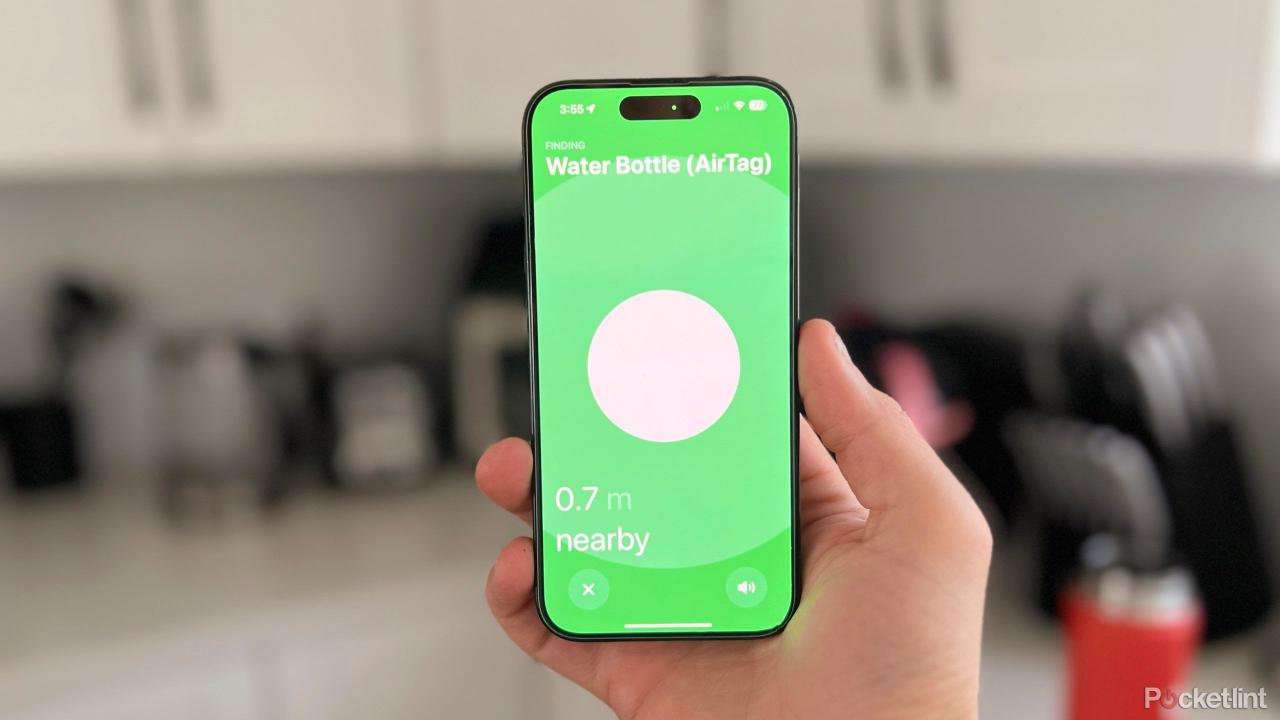
The evolution of chip technology in iPhones has significantly transformed the functionalities and features available in these devices. Each new generation of iPhone chips brings enhancements that not only improve performance but also introduce advanced capabilities that were previously unimaginable. This section delves into key features enabled by specific chips in the latest iPhone models and how these innovations have reshaped user experiences.
Key Features Enabled by Specific Chips
The integration of specialized chips in iPhones has allowed for a myriad of advanced functionalities. These chips are designed to optimize various operations, making the devices smarter and more efficient. Below are some notable features and their corresponding chips:
- A15 Bionic Chip: Powers computational photography features, enhancing low-light performance and enabling Smart HDR 4 for capturing high-quality images.
- A16 Bionic Chip: Introduces advanced machine learning capabilities, allowing features like Live Text and improved Siri performance through on-device processing.
- U1 Ultra Wideband Chip: Enables precise location tracking and improved AirDrop features, enhancing user interactions with other Apple devices.
- Neural Engine: Facilitates real-time processing for augmented reality applications and advanced image recognition, making apps more responsive and intelligent.
Functionalities Relying Heavily on Chip Technology
Chip technology is the backbone of several functionalities that enhance user experience and app performance. The ability of chips to handle complex computations and processes allows for seamless operation of a variety of features. Key functionalities that heavily rely on chip technology include:
- Camera Processing: Enhanced image processing capabilities allow for features such as Night mode, Deep Fusion, and ProRAW photography.
- Machine Learning: On-device machine learning enables features like voice recognition, predictive text, and personalized recommendations in apps.
- Augmented Reality: Advanced chips support AR applications by providing the processing power needed for real-time rendering and interaction.
- Gaming Performance: High-performance chips enable graphics-intensive gaming with smooth frame rates and quick load times.
Impact of Chip Innovations on User Experiences
The continuous innovation in chip technology has transformed how users interact with their iPhones and the applications they use. Each chip advancement introduces new possibilities and enhances existing features, ultimately leading to a more cohesive and enjoyable user experience. For instance, the transition from the A14 to the A15 Bionic chip brought significant improvements in battery life and processing speed, allowing users to run multiple apps simultaneously without lag.
The integration of the Neural Engine has further elevated the capabilities of iPhones, making it possible for apps to perform complex tasks such as real-time language translation and facial recognition. These advancements not only improve performance but also enrich the overall functionality of the iPhone, making it an indispensable tool in everyday life.
“The synergy between chip technology and software innovation is what sets the iPhone apart from competitors, creating a unique user experience.”
Future Trends in iPhone Chip Development
As the mobile technology landscape continues to evolve, the future of chip development for iPhones is set to bring substantial advancements. Innovations in semiconductor technology promise to enhance efficiency, performance, and the overall user experience. The ongoing pursuit of smaller, faster, and more energy-efficient chips signifies an exciting direction for Apple and its iPhone lineup.
Future technologies in chip manufacturing will likely include advancements in materials and design. One significant trend is the transition to 3nm and 2nm fabrication processes, which will allow for more transistors to be packed into a chip, boosting computational power while reducing energy consumption. For instance, the anticipated A18 chip could leverage these smaller nodes to enhance performance metrics dramatically, making tasks like gaming, multitasking, and augmented reality seamless.
Projected Improvements in Chip Efficiency and Performance
Understanding the trajectory of chip efficiency and performance improvements is crucial for anticipating future iPhone capabilities. The next generation of iPhone chips is expected to achieve significant enhancements in various aspects:
- Energy Efficiency: The reduction in process size from 5nm to 3nm will yield chips that consume less power while delivering greater performance. This could translate to longer battery life in devices.
- Artificial Intelligence Integration: Future chips are likely to feature improved neural engines that enhance AI capabilities, enabling smarter features such as personalized user experiences and advanced photography techniques.
- Graphics Performance: With the gaming industry expanding, chips will increasingly focus on delivering superior graphics performance, potentially incorporating advanced ray tracing technology for more realistic visuals.
- Connectivity Enhancements: Upcoming chips may incorporate support for advanced 5G features, enabling faster data speeds and improved overall connectivity in various environments.
The influence of upcoming chips on the smartphone industry will be profound. As manufacturers adopt similar advanced fabrication technologies, we can expect increased competition and innovation across the board. For example, Apple’s shift to in-house chip design has already set a precedent for performance benchmarks, compelling other brands to accelerate their development cycles and adopt newer technologies.
As chips become more powerful and efficient, the lines between mobile devices and traditional computing hardware will further blur, ushering in a new era of mobile computing.
Additionally, the integration of enhanced security features at the chip level promises to address rising concerns regarding data privacy. Future iPhone chips will likely incorporate hardware-based security measures, such as advanced encryption techniques and secure enclaves, ensuring that user data remains safeguarded.
In summary, the future of iPhone chip development is poised for significant breakthroughs that will not only enhance Apple’s device performance but also reshape the entire smartphone landscape, pushing boundaries that were previously considered unattainable.
FAQ Compilation
What is the purpose of the iPhone chip?
The iPhone chip is designed to manage the device’s performance, including processing tasks, handling graphics, and optimizing battery life.
How often does Apple release new iPhone chips?
Apple typically releases new iPhone chips annually, coinciding with the launch of new iPhone models.
Do newer iPhone chips improve battery life?
Yes, newer iPhone chips are generally designed with improved efficiency, which can lead to better battery life compared to older models.
Can I upgrade the chip in my iPhone?
No, iPhone chips are integrated into the device’s motherboard and cannot be upgraded independently.
How do chips affect gaming performance on iPhones?
Advanced chips provide faster processing speeds and better graphics rendering, which enhance gaming performance and user experience.
The Samsung S 19 has taken the smartphone market by storm with its impressive features and sleek design. Users are raving about its enhanced camera capabilities and faster processing power. If you’re looking for a high-performance device that combines style and functionality, the Samsung S 19 might be your perfect match.
When comparing flagship devices, the Samsung S 9 Plus remains a strong contender due to its brilliant display and dual camera system. Many tech enthusiasts appreciate its design and user-friendly interface, making it a favorite among those who desire both elegance and performance in a smartphone. It’s a great option for anyone seeking reliability and style.